





Find the hazards that actually matter
Scan a room with your phone and HomeStroke flags the specific risks behind most falls — slick floors, missing grab bars, thresholds and bad lighting — ranked by how dangerous they are.
HomeStroke scans your rooms, flags the hazards that cause the most falls, and gives you a clear, prioritized plan — so survivors and caregivers know exactly what to fix first.
Coming soon to
App Store
Coming soon to
Google Play
Part of the stroke.technology family of recovery tools
After a stroke, the home that once felt familiar becomes an obstacle course of small, invisible risks. HomeStroke was built to make those risks visible — and fixable.
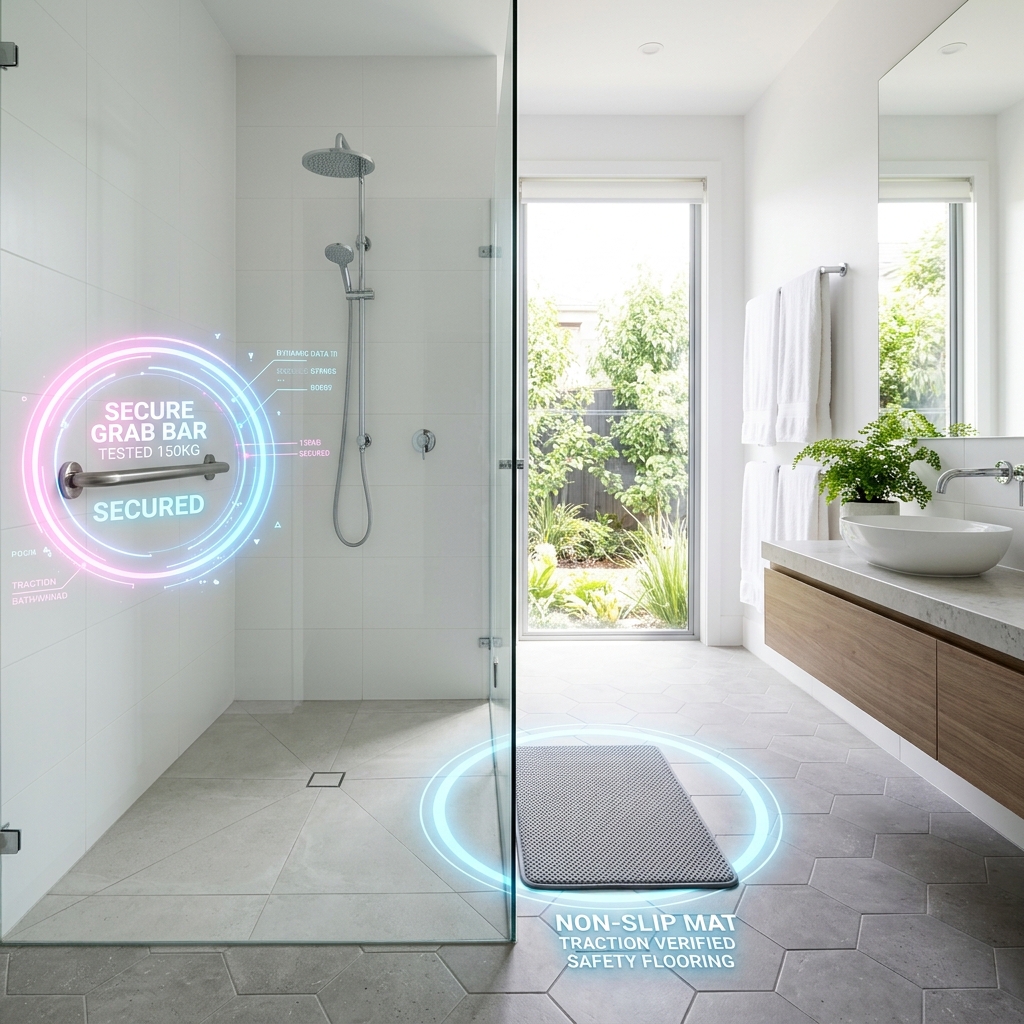
Wet tile, low toilets and nothing safe to hold onto turn a daily routine into the highest-risk moment of the day.
Families leave the hospital knowing the home isn't ready — but not which fix matters first, what it costs, or how to do it.
A single fall often means the ER, a setback, and a long road back. Most are preventable with the right changes in the right order.
Everything a survivor and their caregivers need to make the home safer — without guesswork, contractors' jargon, or a pile of printouts.
Scan a room with your phone and HomeStroke flags the specific risks behind most falls — slick floors, missing grab bars, thresholds and bad lighting — ranked by how dangerous they are.
Overwhelming to-dos become a short, ranked list of what to fix first — with cost and effort for each.
Share progress with family and therapists so everyone's working from the same checklist.
Every fix raises your home safety score, turning slow, invisible progress into something you can actually see.
+43 since you started

Point your phone around the room. HomeStroke maps it and spots the hazards behind most falls.
Recommended
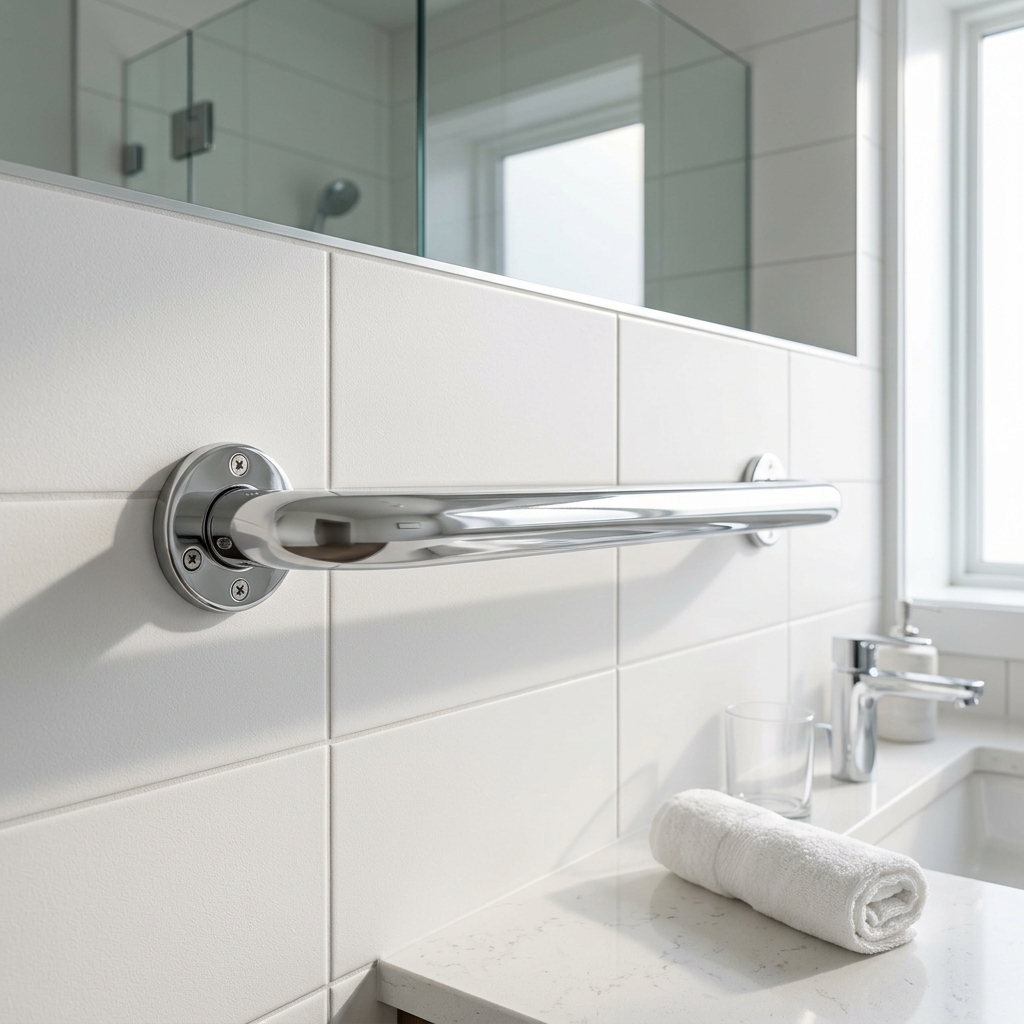
Grab bar — 16"
Bathroom
Shower chair
Bathroom
Non-slip bath mat
Bathroom
A prioritized plan and shopping list — the right products for your home, with prices.
Clear, step-by-step guides walk you (or a helper) through each fix at your own pace.
Tasks done
18
Progress
72%
Check off tasks and watch your safety score rise as the home gets measurably safer.
For a stroke survivor, the home itself is one of the biggest factors in recovery. HomeStroke exists because the right changes, made early, prevent the falls that set people back.
The place that should feel safest is where the majority of serious falls occur.
Wet surfaces, low seats and missing rails concentrate risk in just a few spots.
New mobility limits meet an unchanged home, right when recovery is most fragile.
The right modifications, done in the right order, remove hazards before they cause harm.
Reflects widely reported public-health findings on falls, aging and stroke recovery. Figures describe the problem HomeStroke addresses, not outcomes from using the app.
Pick a room and tap the marked spots to see the hazard we flag and the fix we recommend.

Wet surfaces and nothing safe to hold onto make the bathroom the room where the most home falls happen.
Tap a marked spot in the room to see the hazard and the fix.
Falls cluster in predictable places. Here's where the risk lives — and the changes that matter most in each space.
Stud-mounted grab bars, a shower chair, non-slip flooring and a raised toilet seat remove the most common slip points.
Handrails on both sides, high-contrast edge tape and secured treads.
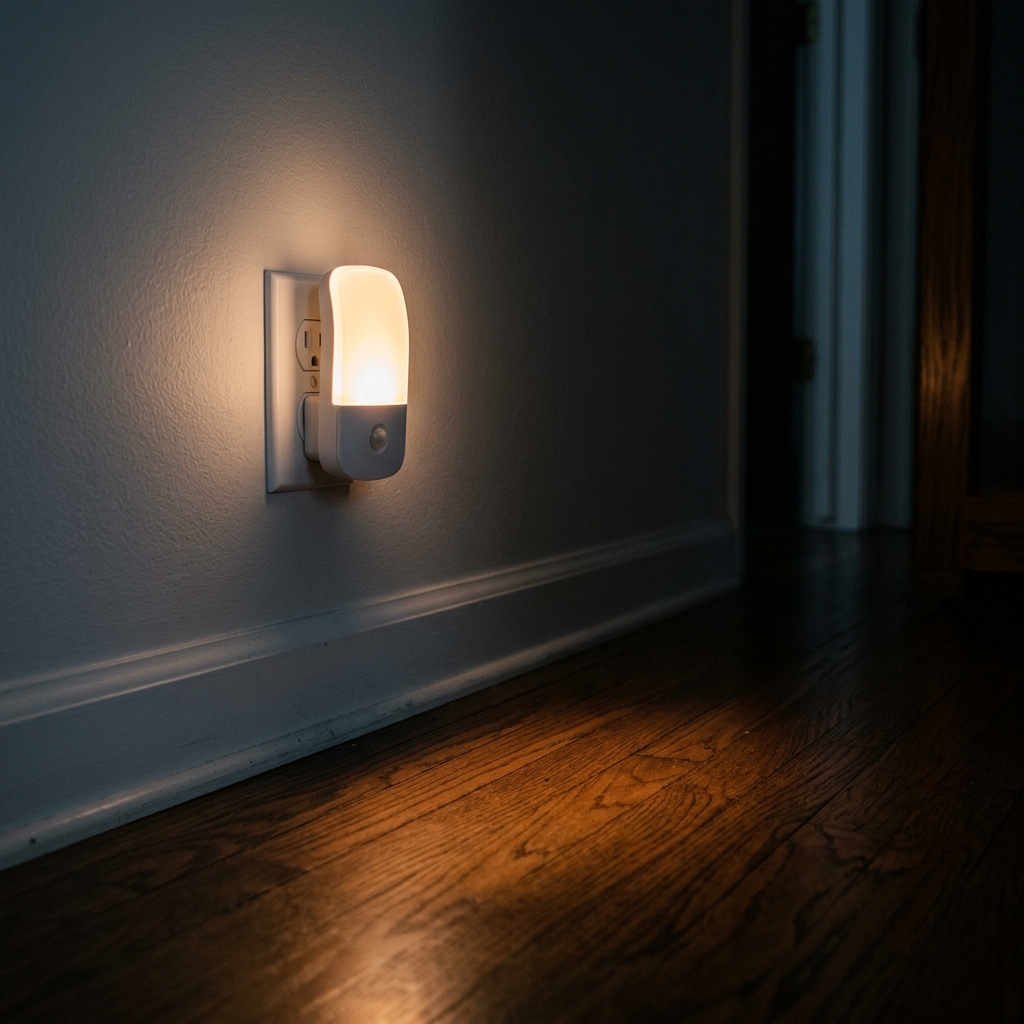
Bed rails, motion night-lights and clear, cable-free walkways.
Everyday items at waist height and a cushioned non-slip mat at the sink.
Firmer, higher seating, tucked cords and wider walking lanes.
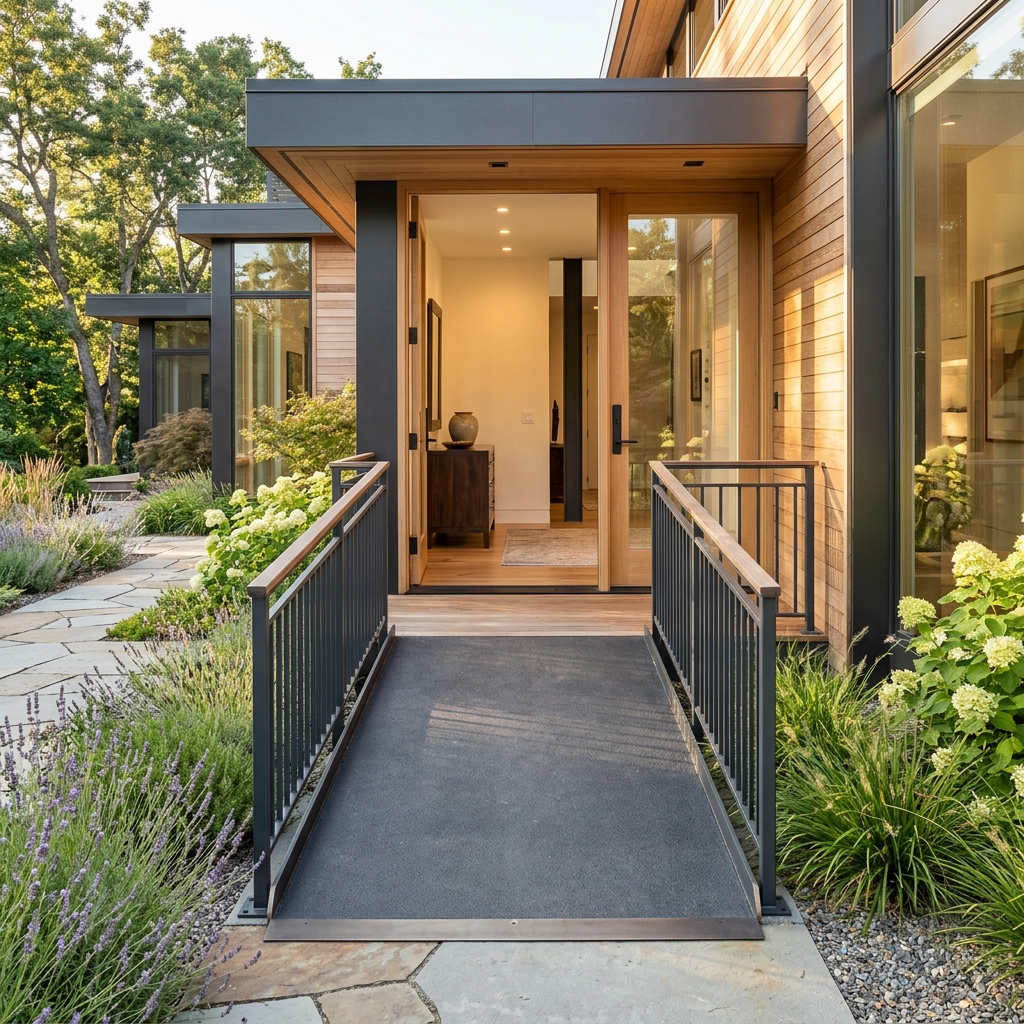
Ramps over lips, motion lighting and a steady rail at the door.
From a simple grab bar to smarter lighting, HomeStroke shows which changes give a survivor the most independence and safety for the least effort — so you spend on what truly helps.
Explore safety ideas
Grab bars, rails and non-slip surfaces where they count.

Clear paths and supports that make moving around easier.

Small, same-day changes with an outsized safety payoff.

A home that lets survivors and families breathe easier.
Under $100
Setup: Today
Night lights, non-slip mats, clearing pathways.
$100–$500
Setup: 1–3 weeks
Grab bars, shower chairs, a second stair rail.
$500–$5K
Setup: 1–4 weeks
Slip-resistant flooring, automated lighting.
$5K+
Setup: 1–3 months
Threshold ramps, roll-in showers, lower counters.
Estimates only — actual costs vary by home, region and contractor.
Install bathroom grab bars and a shower chair.
CriticalClear the path from bed to bathroom of thresholds.
CriticalSet up HomeStroke and add primary caregivers.
SetupAdd motion-sensitive lights in hallways.
HighRecovery stalls on a handful of everyday problems at home. These evidence-based guides explain what works — and HomeStroke turns each one into a prioritized, trackable plan.
When Dad came home, I didn't know where to start. I needed someone to just tell me what to fix first — the bathroom, the stairs — instead of worrying about everything at once.
The hardest part wasn't the recovery. It was feeling unsafe in my own home.
Our therapist gave great advice. Keeping the whole family on the same page about it was the missing piece.
Illustrative of the people HomeStroke is built for. Verified stories will appear here as the app launches.
Everything you need to know about making a home safer after a stroke.
Start by focusing on high-risk areas like the bathroom, entryways, and stairways. Install robust grab bars, ensure pathways are clear of cables or loose rugs, improve lighting with automated night lights, and place frequently used kitchen items within easy waist-high reach.
The highest priority upgrades include shower seating, grab bars in tubs/showers, stable stair rails on both sides, automatic hallways/bathroom night lights, non-slip mat backing, and secure support structures at entryway threshold steps.
Same-day changes like removing tripping hazards and installing night lights reduce risks instantly. More technical changes (grab bars and rails) typically take 1–3 weeks but provide vital long-term clinical safety advantages.
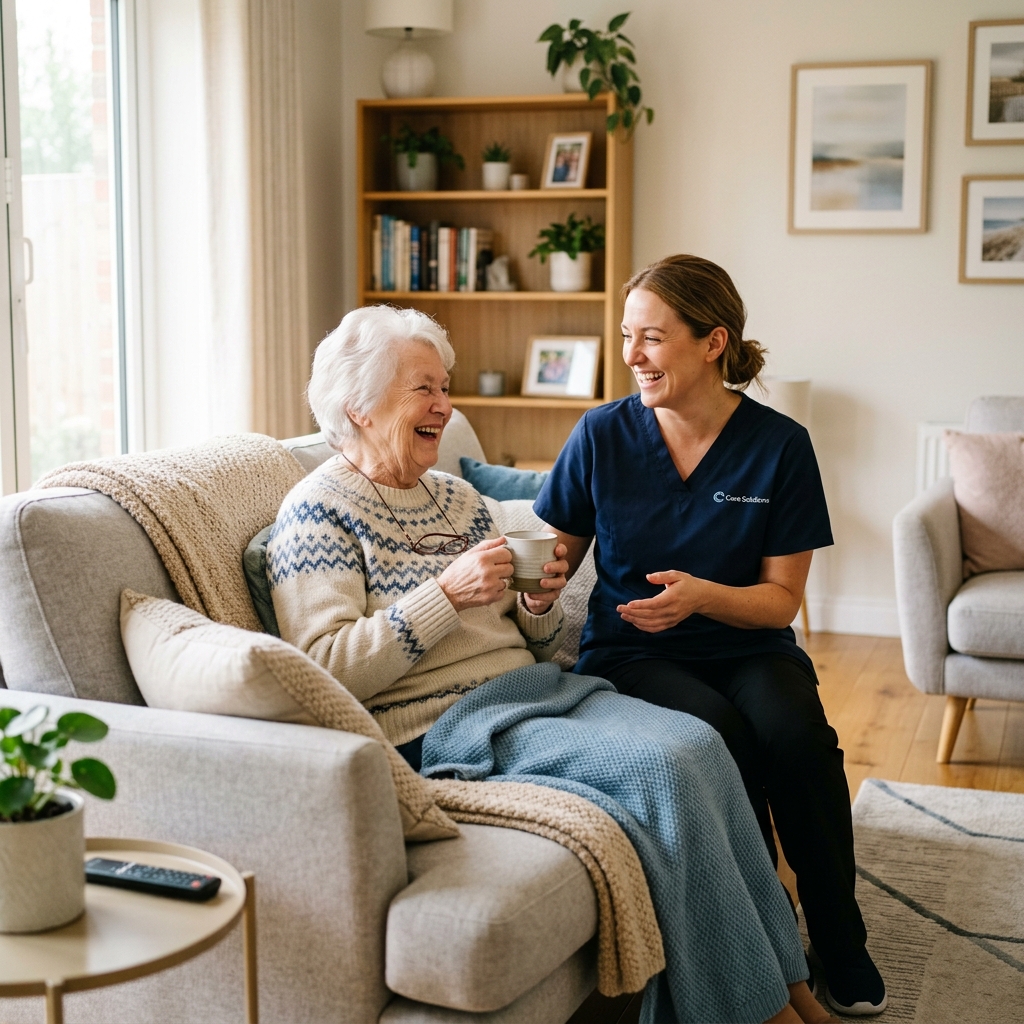
Absolutely. HomeStroke is designed for independent stroke survivors as well as those collaborating with family members, professional caregivers, or rehabilitation therapists.
Simple fixes (night lights, non-slip adhesives) cost under $100. Standard installations (grab bars, shower chairs) range from $100–$500. Major accessible remodels run higher but high-impact priority fixes remain very cost-effective.
Medicare Part B does not directly pay for home construction modifications, but it does cover some Durable Medical Equipment (DME) like patient lifts. Certain Medicare Advantage plans or long-term care insurance policies also provide home safety equipment allowances.
You can easily export your dashboard home scan report or checklist progress directly as a PDF from the app to share with family caregivers, primary doctors, or physical/occupational therapists.
Join the waitlist and be first to scan your home, get a prioritized plan, and bring your whole care circle along.
Coming soon to
App Store
Coming soon to
Google Play
Tools designed to make recovery more doable—every day.